




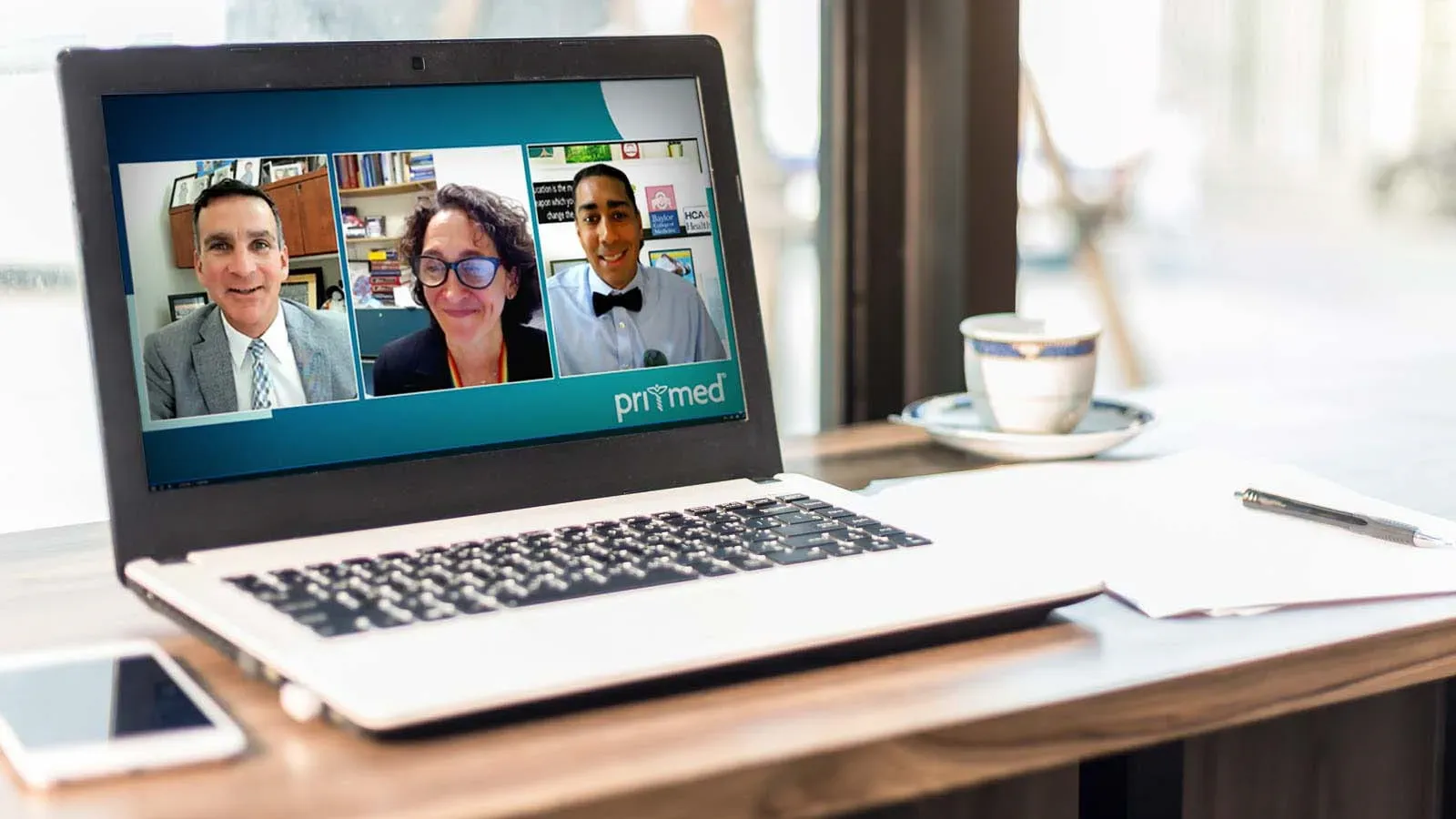

Choose from 400+ CME/CE courses, available on demand and live at virtual and in-person conferences.
Explore Our Medical Education
Trending Now
Accredited On-Demand CME/CE
Loading...
Clinician's Corner
Non-accredited and industry-sponsored resources
Loading...
Virtual Conferences
View All
Loading...
In-Person Conferences
View All
Loading...
Affordable, virtual and in-person medical conferences with world-class faculty
Find Virtual Conferences Find In-Person Conferences
High-Quality Medical Education, Your Way
Pri-Med helps you keep pace with your continuing education so you can focus on providing the best care to your patients. Join more than 155,000 actively practicing clinicians today.
-
Free On-Demand CME/CE
Learn from expert clinicians whenever and wherever. Watch videos, listen to podcasts, explore interactive learning modules, and more.
-
Virtual and In-Person Conferences
Get the latest clinical care insights and connect with world-class faculty in your area, a destination, or at home.
-
Personalized Credit Tracker
Record and track credits, bookmark courses for later, and get personalized course recommendations.


